A good apartment cleaning checklist should help you finish the work, not leave you staring at a giant list. Start with the rooms that show daily wear, handle the details that build up quietly, and save the floors for last. Whether you are resetting after a busy month or preparing for a move, this plan keeps the job practical.
Apartment cleaning has a few realities of its own. Storage is limited, so clutter gathers faster. Kitchens and bathrooms often work hard in a small footprint. Lease handoffs can make overlooked marks, cabinet interiors, and floor edges feel more important than usual. The answer is not an all-day cleaning marathon. It is a repeatable order that covers the right things at the right time.
Start With a Simple Apartment Cleaning Kit
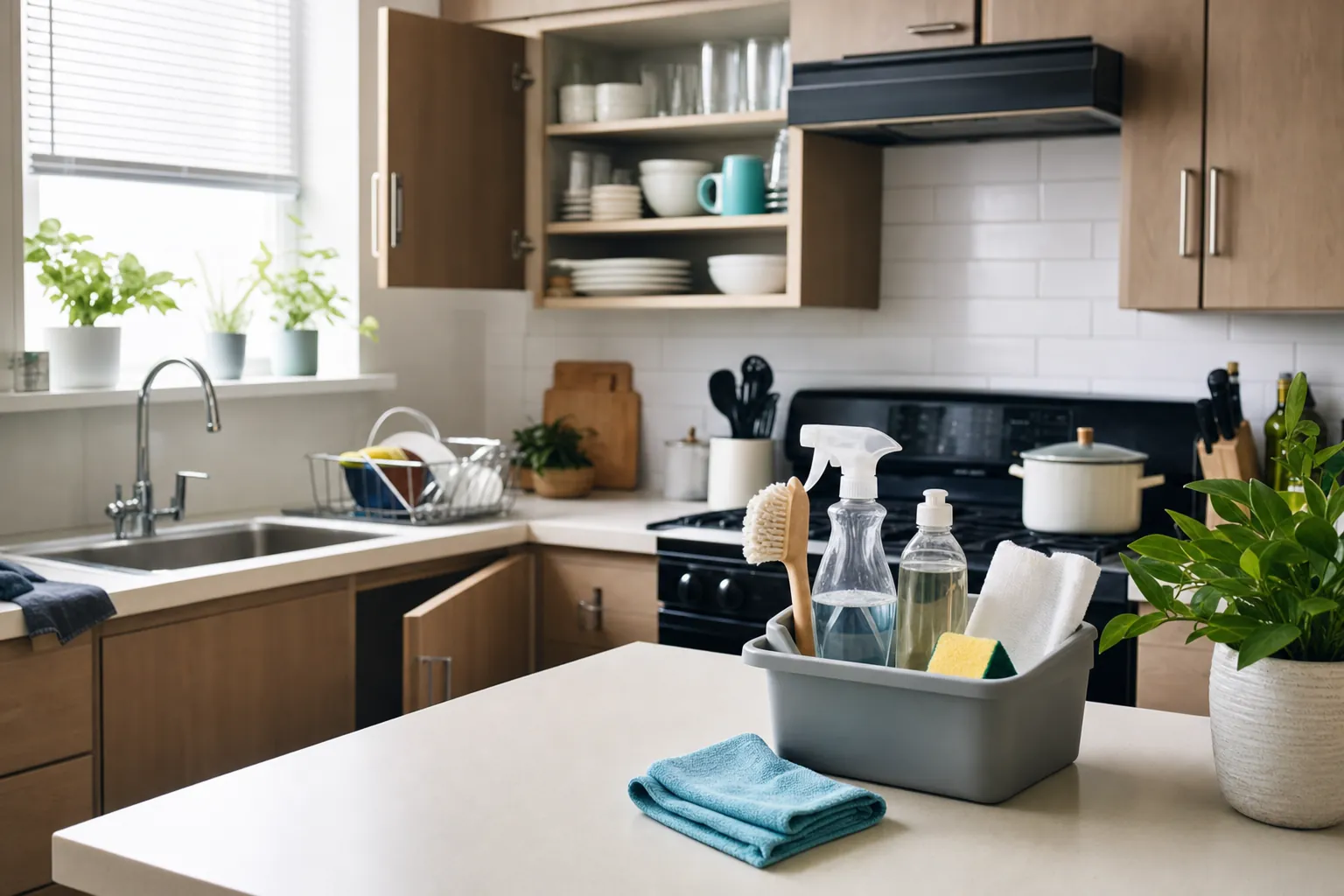
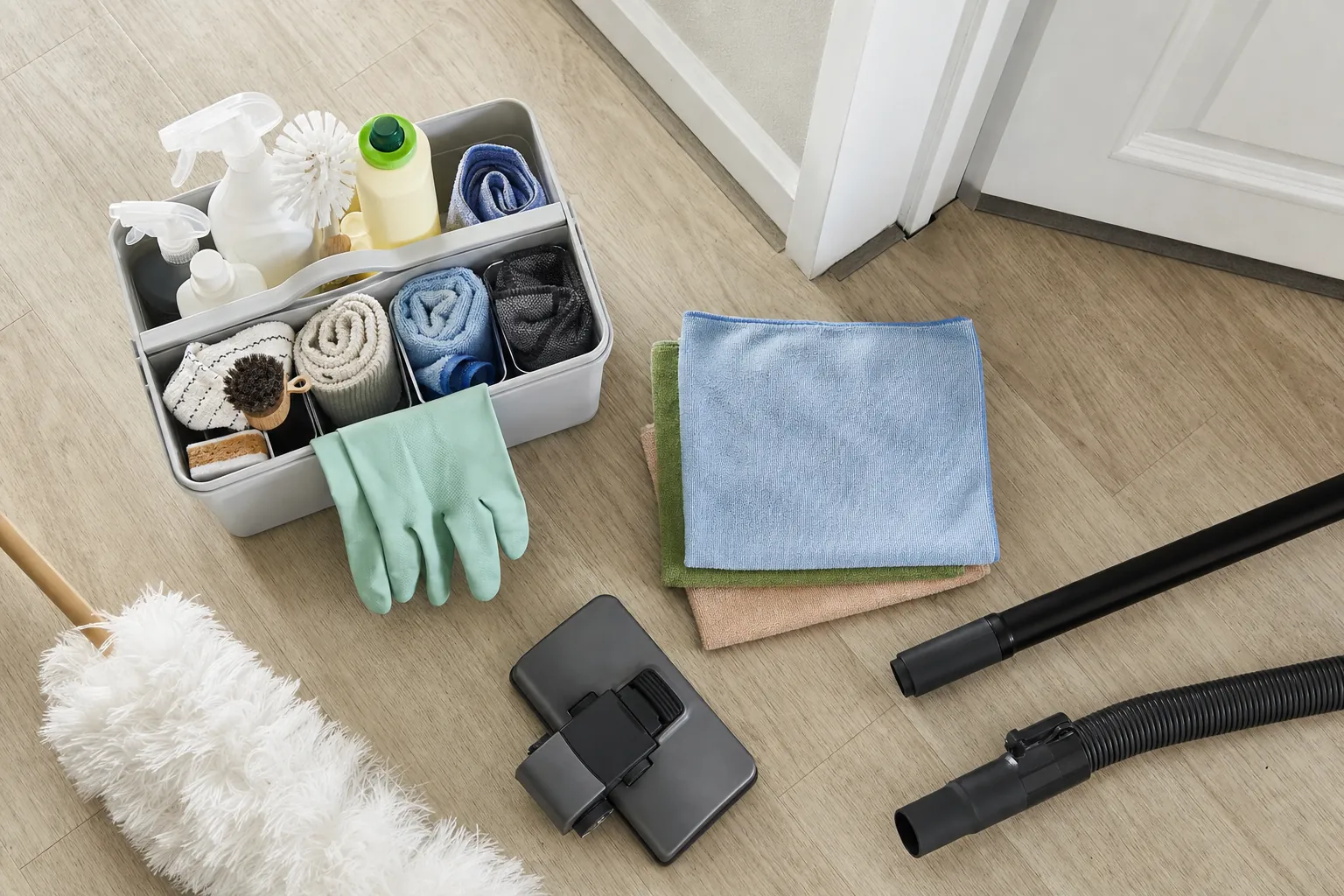
You do not need a closet full of specialty products. A small caddy keeps the useful basics in one place, which makes it much easier to move room to room without losing momentum. Gather what is appropriate for the surfaces in your apartment before you begin.
- Microfiber cloths, a soft scrub brush, a sponge, and a small bucket or caddy.
- A vacuum with a crevice tool, plus a broom or dust mop for quick dry cleanup.
- A general cleaner, dish soap, and a bathroom cleaner that is safe for your shower and fixtures.
- A mop or floor-cleaning tool that suits your flooring type.
- Trash bags, gloves, and a laundry basket for items that belong in another room.
Check your lease, appliance manuals, and product labels before using a new cleaner on stone, wood, stainless steel, painted walls, or specialty flooring. A little caution is cheaper than trying to fix a dull finish or a damaged surface later.
Use This Order in Every Room
Cleaning in the same sequence keeps you from redoing work. Begin with dry tasks high in the room, move to surfaces and fixtures, and finish with the floor. It is a simple approach, but it saves time because dust and crumbs have only one direction to go.
- Clear and sort. Put dishes away, gather laundry, take out trash, and move items that belong elsewhere.
- Dust from high to low. Start with shelves, vent covers, light fixtures, blinds, and reachable trim.
- Clean the surfaces. Wipe counters, handles, switches, tables, and fixtures after the dusting is done.
- Handle room-specific details. Work through appliances, shower surfaces, cabinet fronts, mirrors, or furniture as needed.
- Vacuum or sweep. Use a crevice tool around edges, under furniture, and along baseboards.
- Mop last. Start at the farthest point from the door and work toward the exit.
For a more complete seasonal rhythm, the deep-cleaning schedule for a home can help you decide which jobs deserve a monthly, quarterly, or occasional reset.
When You Only Have 30 Minutes, Reset the Right Things
Not every cleaning day needs to be a full checklist. When time is short, use a quick reset to keep the apartment from reaching the point where every room feels like a project. Set a timer, choose the rooms you use most, and focus on the jobs that make the biggest visual and practical difference.
- Start a load of laundry or put away clean clothes that are taking up a chair, couch, or bed.
- Clear the kitchen sink, wipe counters, and take out the trash or recycling.
- Put bathroom products back in place, wipe the vanity and toilet exterior, and hang fresh towels.
- Gather cups, mail, shoes, and small items from the living room, then return them to their homes.
- Vacuum the entry, kitchen, and the main walking paths instead of trying to cover every inch.
This short routine does not replace a detailed clean, but it protects your next weekend. A cleaner entryway, clear counters, an empty sink, and freshly vacuumed high-traffic floors make an apartment feel more settled even when there is not time for appliance interiors or shower grout.
Kitchen Checklist: Clean the Places That Collect Grease and Crumbs
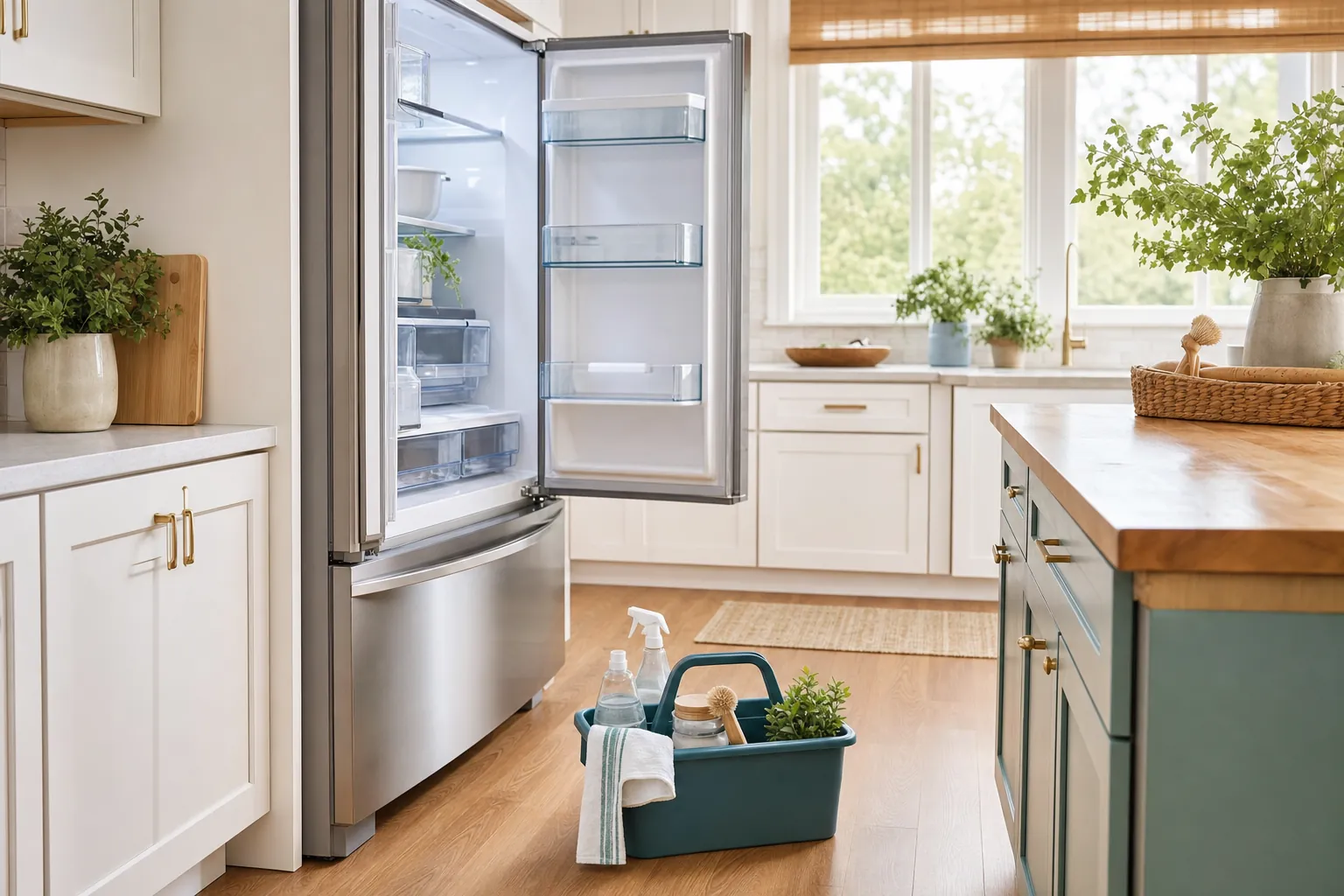
The kitchen is usually the best place to start because it has the most daily use and the clearest payoff. Begin by clearing the counters and dealing with dishes. Then work through the list below before you move on to the floor.
- Wipe counters, backsplash, cabinet handles, appliance fronts, and the sink fixture.
- Clean the stovetop after it has cooled and wipe the front of the oven, microwave, and refrigerator.
- Empty expired food, wipe refrigerator shelves and drawers, and clean up any sticky spills.
- Wipe cabinet fronts, especially near handles, the trash area, and the stove.
- Clean inside the microwave and check the dishwasher filter or drain area if your appliance manual allows it.
- Vacuum or sweep under the table, along baseboards, and beside appliances that are safe to move.
Do not pull a heavy refrigerator or stove away from the wall without knowing how it is connected. When a space is hard to reach safely, clean what you can from the accessible edges and include it in a future detailed service. The company's deep-cleaning service is built for the kitchen details that routine upkeep often leaves behind.
Bathroom Checklist: Focus on Moisture, Edges, and Touch Points
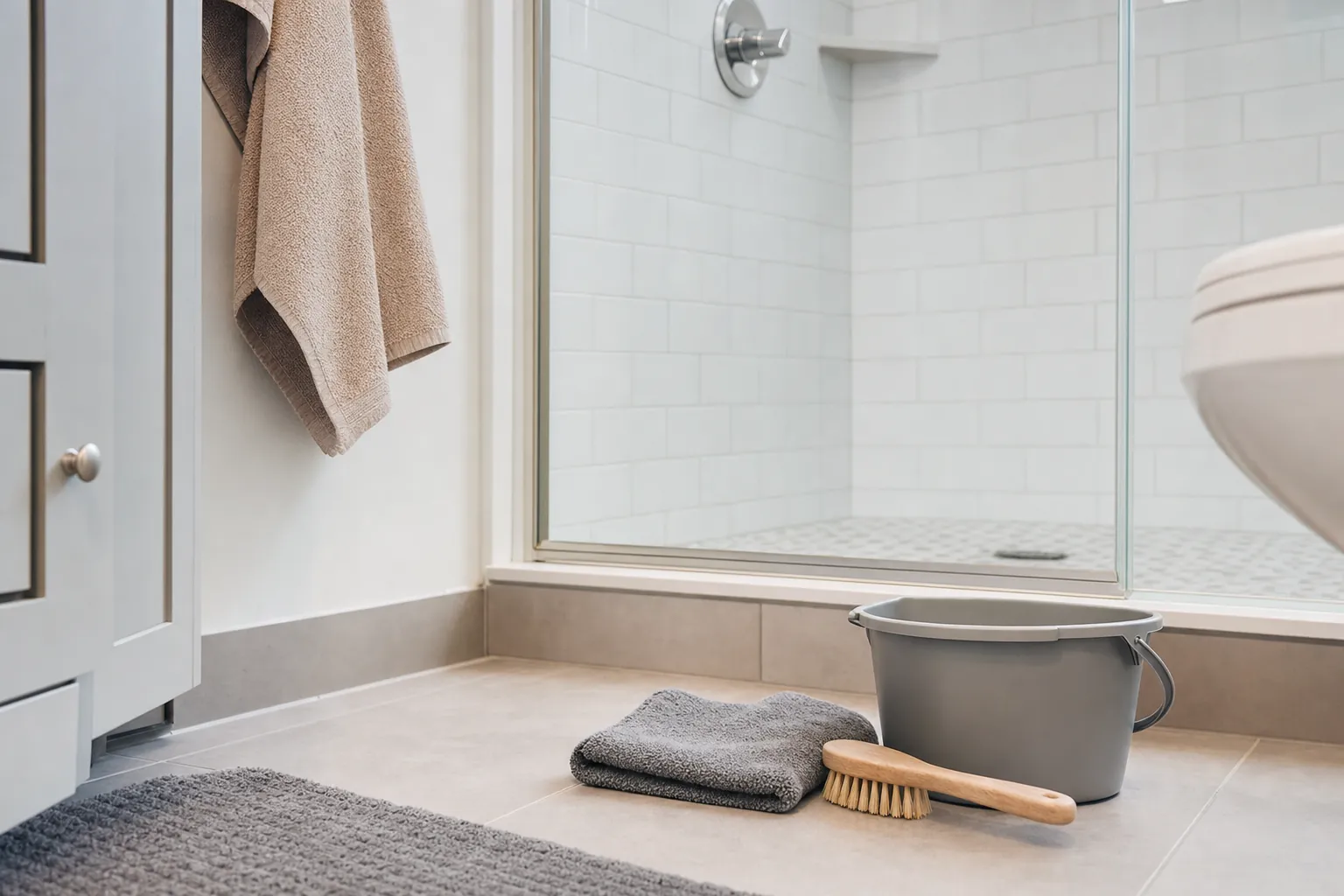
Bathrooms get dirty differently from other rooms. Moisture, soap residue, hair, and frequent touch points can make a small space feel worn out quickly. A focused clean does more than make it look better; it keeps the next routine clean from feeling like a larger project.
- Remove products from the vanity and shower ledge so you can clean the full surface.
- Clean the sink, faucet, counter, mirror, cabinet fronts, drawer pulls, and light switches.
- Scrub the shower or tub, paying attention to the floor, corners, fixtures, and door tracks.
- Clean the toilet bowl, seat, exterior, base, and the floor around it.
- Wipe the exhaust vent cover, door handles, and baseboards when dust is visible.
- Wash bath mats and towels, then vacuum or sweep before mopping the floor.
For everyday apartment cleaning, cleaning with soap or detergent and water is usually the main task. The CDC explains when cleaning and disinfecting serve different purposes; disinfecting is most useful after illness or when a surface needs that extra step. Never mix cleaning products, and let the room ventilate when a label calls for it.
Living Room and Bedroom Checklist: Reset the Everyday Clutter
Living areas and bedrooms often look clean at a glance while dust, pet hair, and small piles collect around the edges. Make these rooms feel calmer by working through the visible surfaces first, then reaching the areas that are easy to ignore.
- Put away loose items, fold blankets, gather dishes, and return clothing to the closet or laundry basket.
- Dust tables, shelves, lamps, window sills, blinds, and reachable fan blades.
- Wipe remote controls, switches, door handles, and frequently touched surfaces.
- Vacuum upholstery, rugs, under cushions, and around the legs of sofas, beds, and chairs.
- Use the crevice tool along baseboards, in closet corners, and under furniture where it can reach.
- Change bedding and wash throw blankets or removable covers according to their care labels.
Homes with pets or allergy concerns often benefit from a more regular dust-and-vacuum rhythm. The EPA recommends reducing dust with damp wiping and vacuuming as part of improving the indoor environment. You do not need to clean every object weekly, but keeping the soft surfaces and floor edges in rotation makes a meaningful difference.
Do Not Skip Floors, Entryways, and Hidden Edges
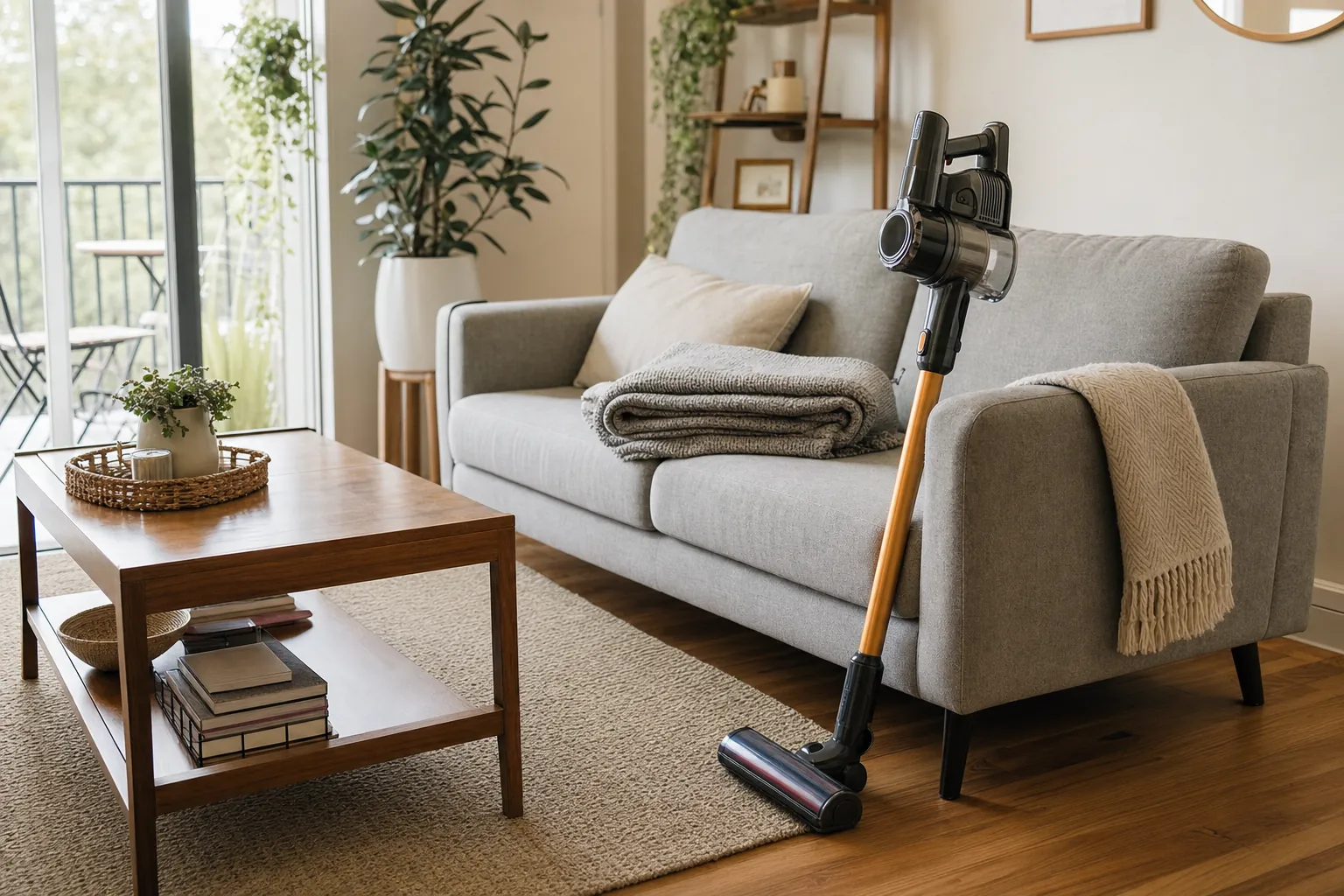
Floors show the result of the rest of the checklist. Once the high surfaces, counters, and furniture are handled, work your way through the apartment with the vacuum or broom. Use attachments or a narrow tool around baseboards, behind doors, and under furniture before you mop.
Give the entryway a little extra attention. It is where outside dirt, pet hair, bags, shoes, and everyday traffic land first. Shake out mats, wipe the door and light switch, clean the floor edge, and put loose shoes or packages away. This small reset makes the rest of the apartment feel cleaner because less dirt travels farther inside.
Window tracks, closet floors, vent covers, and the top of the refrigerator are not weekly jobs. Add one or two of them whenever you are doing a more detailed clean. Spreading those tasks across the month is far more realistic than trying to finish every forgotten corner at once.
Cleaning Safely in a Rental Apartment
Rental apartments often have finishes that are easy to damage with the wrong product or tool. Before tackling a stubborn mark, check the surface and use the gentlest effective option first. This is especially important for painted walls, wood-look floors, stone counters, stainless appliances, and shower doors.
- Do not mix cleaners. Product combinations can create fumes or damage surfaces.
- Test a new cleaner in a small inconspicuous area when the surface is unfamiliar.
- Use a soft cloth or non-scratch sponge before reaching for an abrasive pad.
- Keep the bathroom ventilated when cleaning the shower, tub, or toilet area.
- Take a photo and contact property management before trying to remove a stain, leak mark, or damage that may need repair.
Cleaning is different from repairing. A well-kept apartment is easier to hand off, but renters should not feel pressured to solve maintenance problems with harsher products. If something looks like water damage, mold, a loose fixture, or a failing appliance, report it rather than trying to scrub it away. A simple note with the date, location, and a photo can also make it easier to explain what you noticed if the issue needs follow-up.
A Realistic Weekly, Monthly, and Move-Out Plan
Use the full checklist when the apartment needs a reset, then keep it manageable by dividing it into three rhythms:
- Weekly: dishes, counters, bathroom surfaces, trash, laundry, vacuuming high-traffic areas, and a quick floor refresh.
- Monthly: shower details, cabinet fronts, appliance interiors, baseboards, mirrors, upholstery, and full-floor care.
- Before a move or lease handoff: cabinets and drawers, refrigerator, oven, closets, baseboards, doors, wall scuffs, bathrooms, and every accessible floor edge.
Moving creates its own list of pressure points. If you are packing, handing over keys, or preparing an apartment for someone new, use the company's move-in and move-out cleaning support as a guide to the areas that deserve a more complete finish.
When a Professional Apartment Clean Is the Better Call
Sometimes the checklist is useful precisely because it shows how much has accumulated. If the kitchen and bathrooms need detail work, the floors need attention throughout, or a move deadline is approaching, professional help can turn a long catch-up weekend into a clean starting point.
Pristine Clean & Home Solutions offers residential cleaning for ongoing upkeep, detailed cleaning for homes that need a fuller reset, and move-focused cleaning when the timeline is tight. To talk through what your apartment needs, request a free estimate.
Frequently Asked Questions
How often should I clean my apartment?
A light weekly reset keeps most apartments manageable. Plan a more detailed clean every month or two, then add an extra session before guests, a move, or whenever the kitchen, bathroom, or floors begin to feel harder to maintain.
What should I clean first in an apartment?
Start by putting away loose items and clearing surfaces. Then work from high to low: dust, clean counters and fixtures, vacuum, and mop last. That order stops dust and crumbs from landing on a floor you have already cleaned.
What is usually missed when cleaning an apartment?
Commonly missed spots include cabinet fronts, light switches, door handles, baseboards, vent covers, refrigerator shelves, the toilet base, shower edges, window tracks, and the floor beneath furniture.
Do I need to disinfect every surface?
No. Routine cleaning with soap or detergent and water is the starting point for most surfaces. Disinfecting is most useful after illness or when a surface needs that extra step. Always read the product label and clean before disinfecting.
When is it worth hiring apartment cleaning help?
Professional help makes sense when the work has built up, your schedule is packed, you are preparing for a move, or the apartment needs a detailed reset that is difficult to finish well in one weekend.