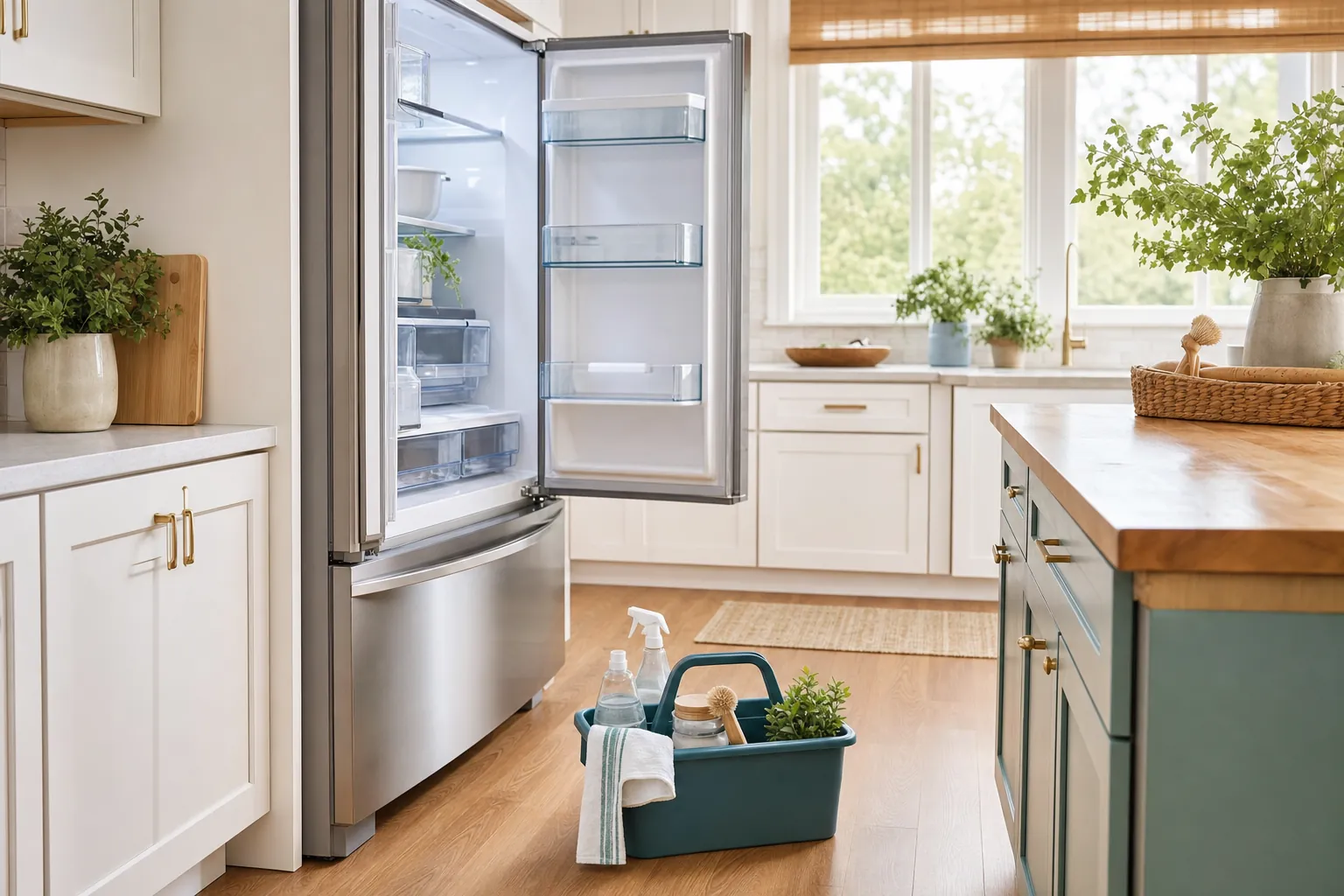
For most homes, a full deep clean every three to six months is a sensible baseline. The right rhythm is not a rigid rule, though. A quiet household with a steady weekly routine can usually stretch longer. A home with kids, pets, allergies, frequent guests, or a busy kitchen often needs a reset sooner.
Deep cleaning is less about making every room look picture-perfect and more about getting ahead of the buildup that regular upkeep leaves behind. Think baseboards, vent covers, cabinet fronts, shower corners, appliance interiors, under furniture, and the spots that quietly collect dust, crumbs, grease, or soap residue. A realistic schedule keeps those jobs from turning into an exhausting all-day project.
The Short Answer: Plan for Every Three to Six Months
A quarterly deep clean works well for many active households. It creates a natural seasonal rhythm: one reset in the spring, another before the holidays, and a couple of touchpoints in between. Smaller homes with few occupants and a consistent cleaning routine may be fine with a full reset twice a year.
Move toward the three-month end of the range when the home sees more wear. Pets add hair and tracked-in debris. Children make high-touch areas and floors work harder. Cooking often leaves grease around the stove, cabinet pulls, and backsplash. Allergies can make dusting, vacuuming, and washing bedding feel more urgent. None of those factors mean you are behind; they simply change the schedule that makes sense.
| Home situation | A practical deep-cleaning rhythm |
|---|---|
| One or two adults with regular upkeep | Every six months |
| Average household with normal daily use | Every three to four months |
| Pets, children, frequent cooking, or allergy concerns | About every two to three months |
| Before a move, major event, or extended houseguest stay | Schedule an extra reset when needed |
What Counts as a Deep Clean?
Regular cleaning handles the surfaces you see and use every day: dishes, counters, bathrooms, trash, vacuuming, and a quick floor refresh. A deep clean gets into the jobs that take more time, require moving things, or need a room-by-room plan.
- Wiping baseboards, doors, trim, blinds, switches, and wall scuffs.
- Cleaning inside the refrigerator, microwave, oven, cabinets, drawers, and pantry shelves.
- Detailing showers, tubs, grout lines, fixtures, vent covers, and the areas behind toilets.
- Vacuuming under furniture and beds, cleaning upholstery, and washing throw blankets or removable covers.
- Dusting ceiling fans, reachable vents, light fixtures, and high shelves before cleaning the floors below.
That difference matters because a home can look tidy while the more involved work keeps getting pushed to “someday.” A deep-cleaning plan gives those jobs a place on the calendar without asking you to do every one of them every weekend.
Use a Room-by-Room Schedule Instead of One Giant List
The easiest way to stay consistent is to separate frequent maintenance from occasional detail work. Start with the rooms that collect the most moisture, food residue, or traffic. Then rotate the lower-pressure tasks through the year.
Kitchen: monthly details, seasonal appliance work
Wipe counters and clean food-prep areas as part of the normal routine, but plan a deeper kitchen reset at least monthly. Focus on cabinet fronts, handles, backsplash, the microwave interior, sink fixtures, and the refrigerator shelves. Every few months, pull out what you safely can to vacuum or mop beneath it, clean the oven, check the pantry, and handle the spots that gather grease.
Bathrooms: monthly deep cleaning is worth it
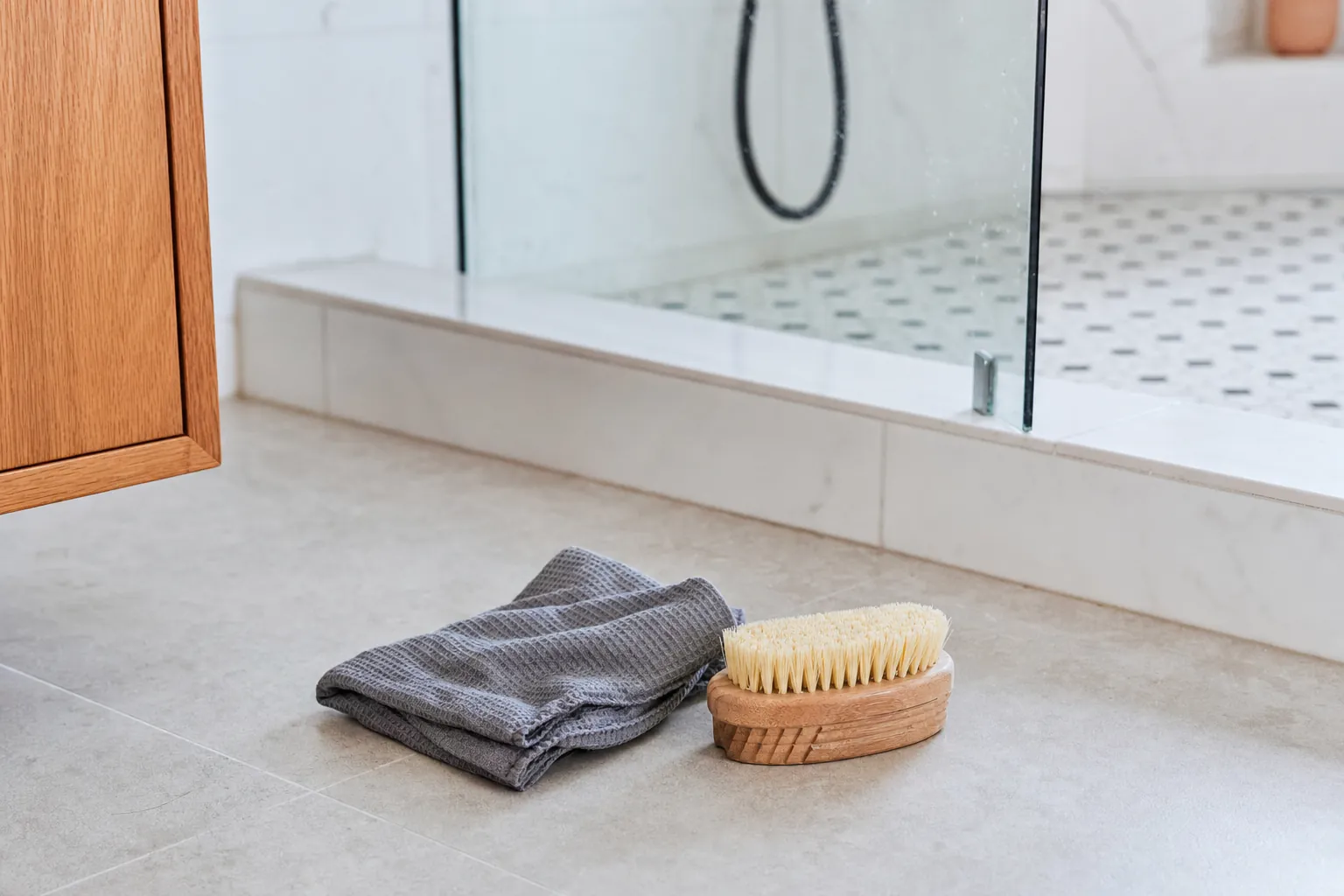
Bathrooms work hard because moisture and daily use pile up quickly. A monthly deep clean should include the shower or tub, grout and caulk lines, fixtures, cabinet fronts, exhaust vent cover, toilet base, and floor edges. Routine cleaning still matters between resets, but a monthly detail pass keeps the room from becoming a bigger project.
Bedrooms: every three to six months
Wash sheets regularly, then use a deeper reset to vacuum under the bed, dust ceiling fans and blinds, wipe furniture, clean around nightstands, and wash pillows or blankets according to their care labels. If you have pets sleeping in the room or allergy concerns, shortening that interval can make the space feel easier to maintain.
Living areas: every three months for most homes
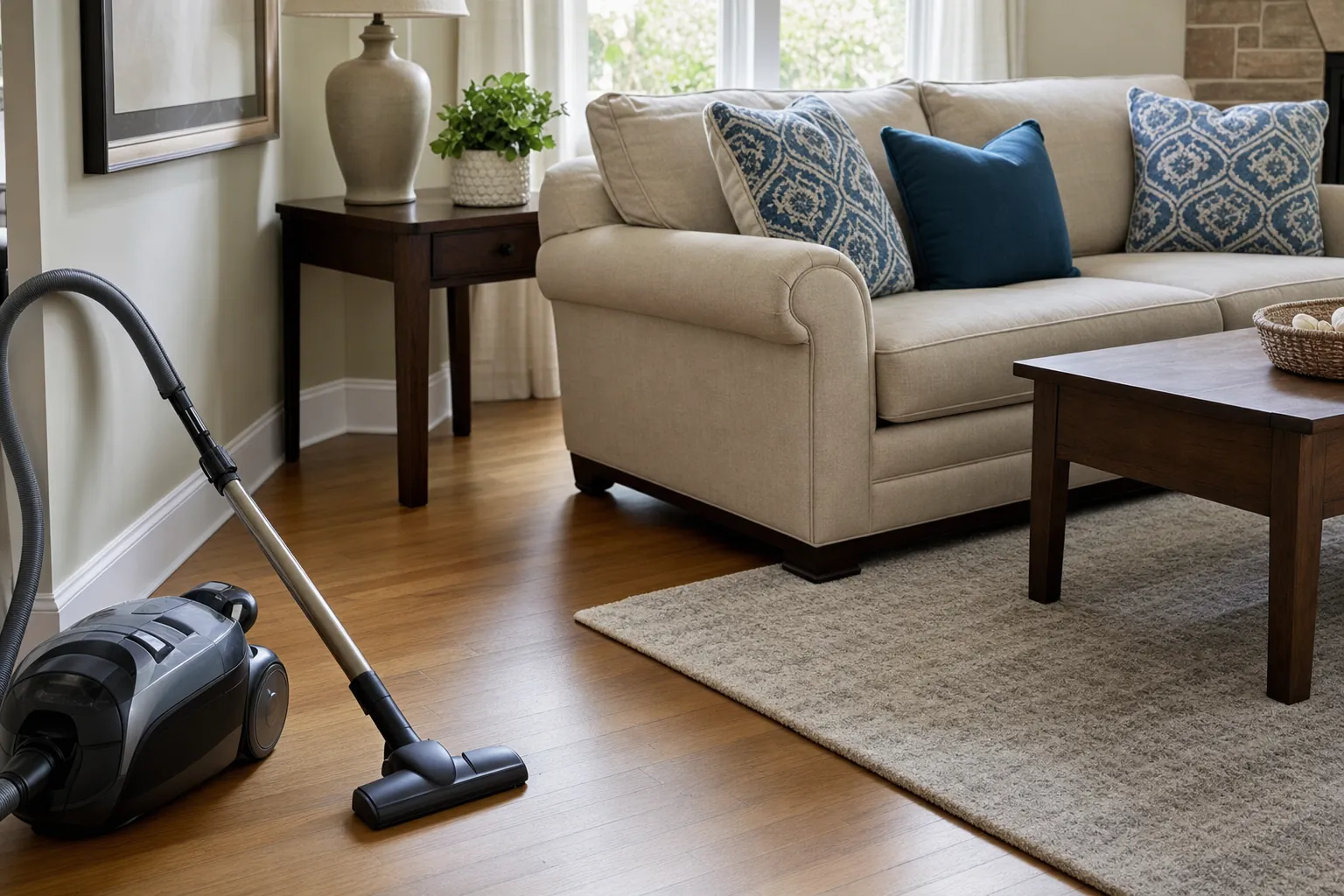
Shared rooms collect the evidence of daily life: dust around electronics, pet hair on upholstery, crumbs under cushions, and dirt under furniture. Rotate in upholstery vacuuming, baseboards, lamp shades, blinds, window tracks, and the floor beneath sofas and chairs. Keeping this work on a seasonal schedule prevents the room from needing a major overhaul before guests arrive.
Entryways and laundry areas: monthly or as needed
These are the places where outside dirt and everyday utility work show up first. Clean floor edges, doors, switches, storage shelves, and the areas around hampers or shoes. A quick monthly reset here makes the rest of the house easier to keep clean because less debris travels inward.
Signs You Should Deep Clean Sooner
Sometimes the calendar is not the best guide. A few signs tell you the home needs a more thorough pass even if your next seasonal reset is still weeks away:
- Dust returns quickly on shelves, vents, window sills, or ceiling fans.
- The kitchen feels greasy around handles, cabinet fronts, or appliances.
- Bathrooms have soap residue, dull fixtures, or grime around the base of the toilet or shower.
- Floors stay gritty after routine mopping, especially near entries and under furniture.
- You are avoiding rooms because the task feels too large to start.
- You are preparing for a move, a gathering, a new baby, a recovery period, or a packed work season.
Those are not failures of routine cleaning. They are signs that the home has reached the point where detail work will make everyday upkeep easier again.
A Seasonal Plan That Keeps Deep Cleaning Manageable
Season changes are useful reminders because the way a home is used changes with them. You do not have to follow a perfect four-part plan, but assigning a few bigger jobs to each season keeps the work from landing all at once.
Spring: refresh the rooms that have been closed up
Open the windows when the weather allows, then focus on dust, fabrics, and the places winter routines leave behind. Wash bedding and blankets, clean window sills and blinds, dust fans, vacuum under beds, and give bathrooms a full detail. Spring is also a good time to pull smaller kitchen appliances forward and wipe the areas around them.
Summer: stay ahead of entries and active living areas
Summer usually means more grass, sand, pet traffic, cookouts, and people moving through the home. Pay extra attention to entryways, mudrooms, floors, and upholstery. Clean door frames and switches, vacuum rugs more often, wipe cabinet fronts, and reset the refrigerator before busy weekends or travel. This is also a useful time to check the laundry area, where damp towels and extra loads can create a mess quickly.
Fall: prepare for indoor time and holiday traffic
Before the house becomes a gathering place, clean the spaces people see and use most. Detail the kitchen, guest bathroom, dining area, and living room. Vacuum upholstery, clean under furniture, wash throws, handle appliance interiors, and give floors a more thorough pass. Doing this work before holiday cooking and guests arrive makes routine upkeep much easier later.
Winter: reset after the busiest stretch
After the holidays, choose one or two neglected jobs rather than trying to do everything at once. Clear out the refrigerator and pantry, clean the oven, wash bedding, wipe trim, and work through the rooms that felt busiest. A smaller winter reset can be enough to carry the home into spring without a major catch-up day.
Clean First, Then Decide Whether Sanitizing or Disinfecting Is Needed
It is easy to treat all cleaning products as if they do the same job, but they do not. The CDC distinguishes cleaning, sanitizing, and disinfecting: cleaning removes dirt and impurities, sanitizing lowers germs to a safer level, and disinfecting kills most germs on surfaces. Cleaning comes first in every case.
For routine household deep cleaning, soap or detergent, water, and the right amount of scrubbing are often the starting point. Disinfecting is more relevant after someone has been sick or for surfaces that need it. Read the product label, never mix cleaners, and make sure the room has ventilation. For households managing asthma or allergies, the EPA also recommends reducing dust with a damp rag and vacuuming as part of improving the indoor environment.
Make the Work Smaller: A Simple Deep-Cleaning Order
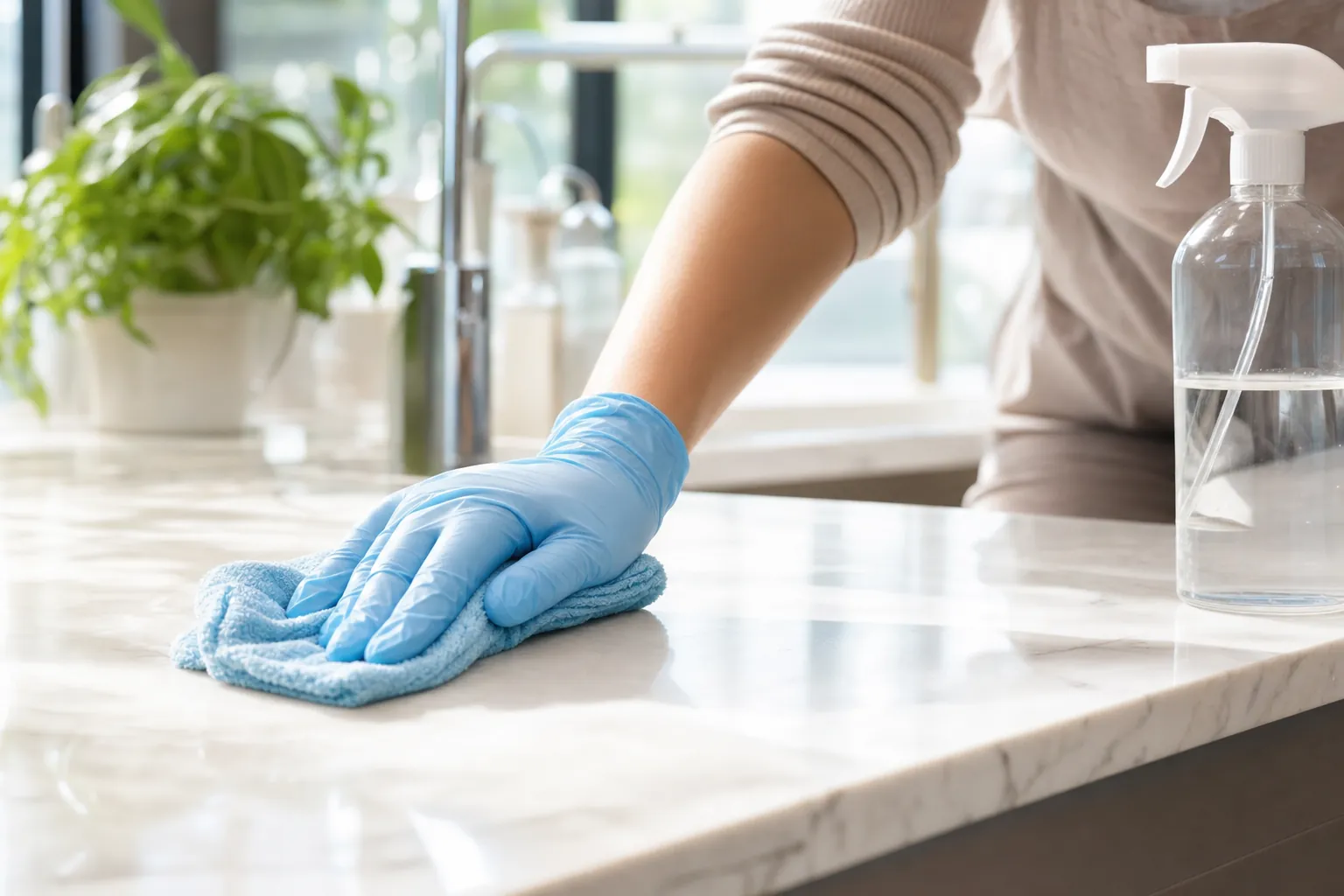
When you are doing the work yourself, the right sequence saves time. Clean from high to low and from dry tasks to wet tasks. That way, dust falls before you mop and you do not have to revisit the same area.
- Clear surfaces and return items to their rooms so you can reach what needs cleaning.
- Dust high areas first: fans, vents, shelves, blinds, light fixtures, and trim.
- Work through room details such as cabinets, appliances, shower surfaces, and fixtures.
- Wipe counters and touch points after the more dusty work is finished.
- Vacuum upholstered furniture, rugs, and floors, including under what you can safely move.
- Mop hard floors last, starting farthest from the exit.
You do not need to finish every room in one day. Splitting the work into a kitchen-and-bathroom day, a bedroom day, and a living-area day is often more realistic. The goal is a repeatable rhythm, not an exhausting marathon.
Common Deep-Cleaning Mistakes That Create More Work
Most deep-cleaning frustration comes from trying to move too fast or clean in the wrong order. A few small choices make the work easier and protect the surfaces in your home.
- Starting with the floor. Dust and crumbs fall as you clean shelves, blinds, and counters. Save vacuuming and mopping for the end.
- Using one product everywhere. Stone, wood, stainless steel, and finished surfaces can need different care. Check the manufacturer guidance and test a new product in a discreet spot when you are not sure.
- Mixing cleaning products. Never combine products unless the label specifically says it is safe. Mixing cleaners can create harmful fumes.
- Skipping the declutter step. Cleaning around piles of mail, toys, laundry, and small items takes twice as long. A quick reset before you begin makes the actual cleaning more effective.
- Trying to finish every task alone in one weekend. When a deep clean includes hard-to-reach areas, appliance interiors, several bathrooms, and floors throughout the home, dividing the work or bringing in help is often the more realistic choice.
The American Cleaning Institute has found that hard-to-reach places are among the tasks people most often dread. That is exactly why a scheduled rotation works better than waiting until the whole house feels overwhelming.
When a Professional Deep Clean Makes Sense
A professional deep clean is useful when the buildup has outgrown the time you have, when you are moving in or out, or when an upcoming event makes the home’s condition feel more urgent. It can also be the practical reset that makes a regular cleaning routine easier to keep.
Pristine Clean & Home Solutions provides deep cleaning for homes across Middle Tennessee and Northern Alabama, with attention to kitchens, bathrooms, baseboards, vents, appliances, and the overlooked details that make a space feel fully reset. For a move deadline or a larger transition, the team also offers move-in and move-out cleaning.
Frequently Asked Questions
How often should you deep clean your house?
Most homes benefit from a full deep clean about every three to six months. Homes with pets, young children, frequent guests, allergies, or lots of daily cooking may need attention closer to every two or three months.
Is a deep clean the same as regular house cleaning?
No. Regular cleaning keeps visible surfaces and floors under control. A deep clean reaches the places that routine work often misses, such as baseboards, vents, appliance interiors, cabinet fronts, shower details, and the areas under or behind furniture.
Should I disinfect my whole house during every deep clean?
Usually, routine cleaning is the main job. The CDC explains that cleaning removes dirt and impurities, while disinfecting is most useful when someone has been sick or when a surface needs that extra step. Follow the product label and clean the surface first.
What is the fastest way to deep clean a house?
Work one room at a time and use the same order throughout the house: clear clutter, dust high areas, clean surfaces, handle fixtures and appliances, then vacuum or mop the floor. Saving floors for last keeps you from redoing work.
When should I hire help for a deep clean?
Consider professional help when the work has piled up, you are preparing for a move or guests, you have a busy season ahead, or the rooms that need attention are too much to finish well in the time you have.